

In many properties, short-term rentals can be illegal from day one. That is why we have developed our own screening tool, making it easier to identify and document unlawful rental activity.
The political debate on short-term rentals has gained renewed momentum. However, while politicians and the media have primarily focused on rentals exceeding the Danish Holiday Home Act’s 70-day limit, a significant part of the issue is often overlooked: across large parts of Copenhagen’s housing stock, short-term rentals may be unlawful from the very first overnight stay.
At the same time, it can be difficult for property owners and property managers to identify which units are being rented out through platforms such as Airbnb. To address this challenge, we have developed our own digital screening tool that helps systematically identify signs of illegal short-term rental activity.
From suspicion to systematic screening
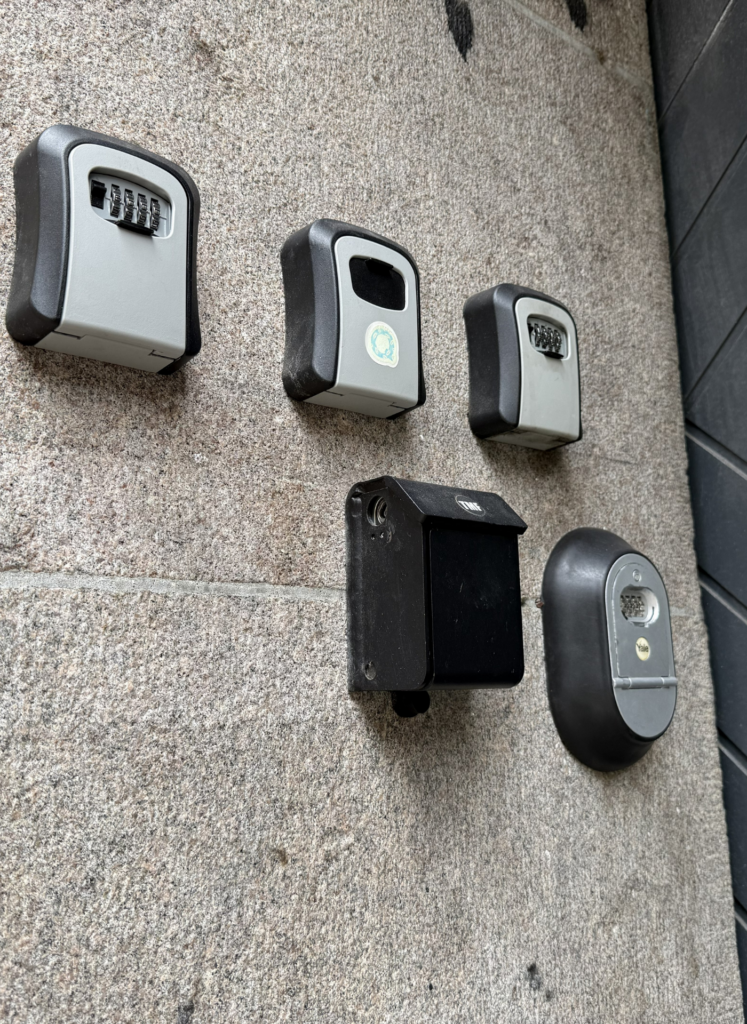
Many property owners recognise the classic signs of short-term rentals, including a constant flow of new guests, key lockboxes, and complaints from neighbours about noise and a lack of security. However, linking listings on rental platforms to specific units can be difficult, as addresses and information about the host are often not disclosed.
The screening tool compares information about a property’s rental units with relevant listings on rental platforms and identifies potential matches. The findings are then reviewed by our legal specialists, who assess the results and categorise them according to risk level.
A stronger basis for taking action
After the screening process, the property owner receives a consolidated assessment of the findings along with recommendations for the next steps. This provides a data-driven basis for determining whether further investigation or legal action may be necessary.
The screening tool gives property owners and associations a stronger foundation for protecting the operation, finances, and contractual framework of their properties.