
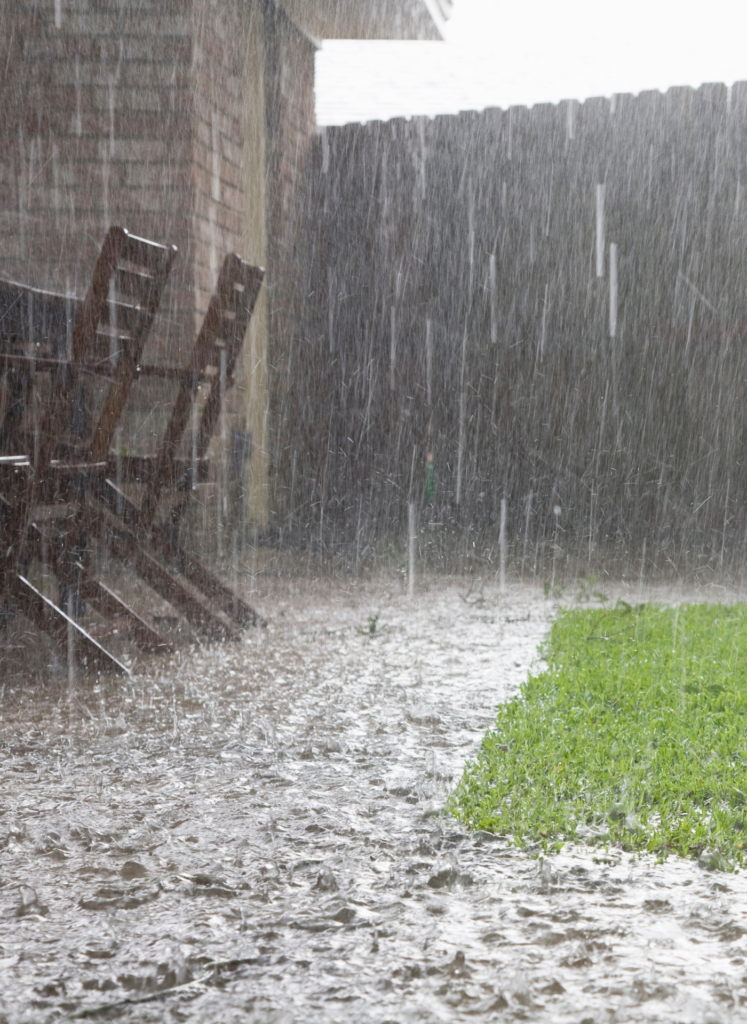

When damage occurs in a property, questions often arise about how responsibility is divided between the resident’s/tenant’s own insurance and the property’s insurance. This may be the case for example in connection with fire damage, water damage, storm damage or consequential damage following a cloudburst, where responsibility depends on the type of damage, its cause and the specific insurance coverage in place.
As a rule, the property’s insurance covers the building itself and its permanent installations. In many properties, it also covers fixed elements such as kitchens and flooring, while contents insurance covers personal belongings such as furniture, clothing and electronics.
Contents insurance will often also cover the cost of temporary accommodation if the home becomes uninhabitable following a loss. In some cases, it may also provide liability coverage if the tenant or resident is responsible for causing the damage.
What boards and property owners should be aware of
For boards and property owners, it is important that the property’s insurance reflects the actual circumstances of the property and provides adequate coverage for the building, installations and relevant risks, including water damage, fire, storms and climate-related damage.
It is also important to understand how the association’s bylaws or tenancy agreements allocate responsibility between the property and the residents or tenants.
A regular review of the insurance policy and insurance arrangements, potentially in cooperation with an insurance broker, can help ensure that the coverage remains up to date and reduce uncertainty should damage occur.
What residents and tenants should be aware of
Residents and tenants should ensure that they have an active contents insurance policy that meets their needs, including adequate coverage for the value of their belongings and for temporary accommodation if required.
It is equally important to act quickly if you notice signs of damage, such as water ingress, moisture or leaks. If a problem develops over a prolonged period without being reported, this may affect both the allocation of responsibility and the insurance coverage available.
Understanding who is responsible for covering what can make the handling of a claim both faster and less complicated for all parties involved.